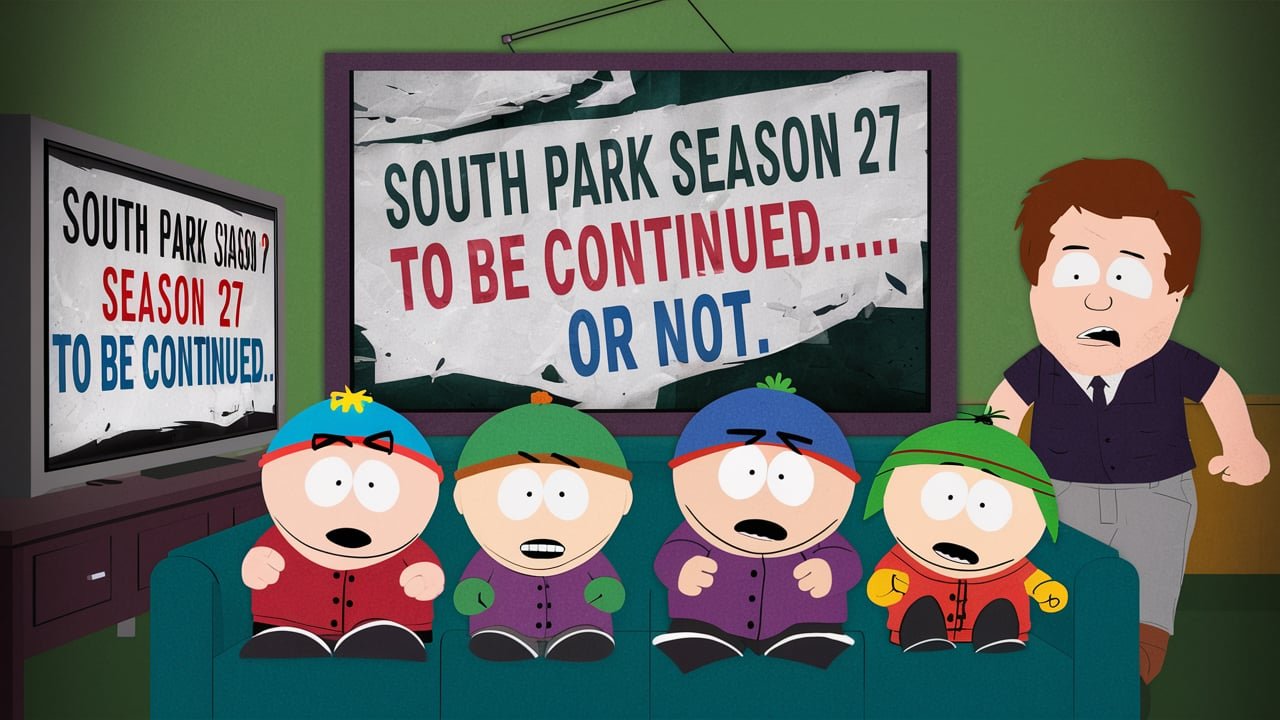
We examine why South Park Season 27 abruptly ends and how this unexpected conclusion has sparked widespread discussion among fans, critics, and pop-culture analysts. As one of the longest-running and most influential animated series in television history, South Park has built a reputation for unpredictability, satire, and fearless commentary. However, the sudden ending of Season 27 raised questions that go far beyond a typical season finale. Viewers were left wondering whether this abrupt conclusion was intentional storytelling, a strategic production decision, or a sign of deeper changes within the franchise. By analyzing narrative patterns, production context, audience reactions, and franchise strategy, we provide a complete breakdown of what this ending means for the future of South Park.
Why South Park Season 27 Abruptly Ends
The most striking aspect of South Park Season 27 Abruptly Ends is how quickly it concludes compared to earlier seasons. Historically, South Park has experimented with episode counts, release formats, and narrative pacing, but Season 27 stands out because its ending feels deliberately unresolved. Rather than delivering a traditional climactic finale, the season closes in a way that mirrors the show’s long-standing resistance to convention. This abrupt ending reinforces South Park’s identity as a series that refuses to follow standard television formulas, even at the risk of frustrating its audience.
Creative Direction and Narrative Choices
One of the defining features of South Park has always been its topical storytelling. The series often reacts to real-world events with minimal production delay, allowing creators Trey Parker and Matt Stone to remain culturally relevant. Season 27 continues this tradition, but the ending suggests a shift away from extended story arcs. Instead of resolving plotlines neatly, the season leaves themes intentionally open-ended, encouraging viewers to reflect on the satire rather than the storyline itself. This approach aligns with South Park’s philosophy that commentary matters more than closure.
Production Strategy Behind the Sudden Ending
From a production standpoint, South Park has increasingly moved away from traditional seasonal structures. In recent years, the franchise expanded through special events, standalone episodes, and streaming-exclusive content. Season 27’s abrupt ending may signal a strategic preference for flexible releases rather than long episodic runs. This allows the creators to maintain creative control while adapting quickly to cultural and political shifts. Ending the season suddenly may not represent disruption, but rather a calculated decision to preserve the show’s agility.
Fan Reaction to the Abrupt Conclusion
The reaction to South Park Season 27 abruptly ending has been mixed but passionate. Longtime fans expressed confusion and disappointment, particularly those expecting a definitive finale or major character resolution. Others praised the ending for staying true to South Park’s anti-establishment roots. On social media and discussion forums, debates emerged over whether the ending was incomplete or intentionally subversive. This polarization itself reflects the show’s enduring ability to provoke strong emotional and intellectual responses.
Comparing Season 27 to Earlier Seasons
When compared to earlier seasons, Season 27 feels noticeably restrained in scope. Past seasons often featured multi-episode arcs, recurring political themes, or serialized storytelling experiments. In contrast, Season 27 adopts a more minimalist approach. The abrupt ending underscores how the series has evolved from extended satire into sharp, concise commentary. This evolution does not signal decline, but rather adaptation to modern viewing habits and shortened attention spans.
What the Ending Suggests About the Future of South Park
The sudden conclusion of Season 27 raises legitimate questions about the future direction of the franchise. Rather than indicating an ending, the abrupt stop suggests strategic flexibility. South Park now operates as a multi-format brand rather than a traditional TV series. The creators have the freedom to release content when it best suits their creative goals, not when a seasonal schedule demands it. Season 27’s ending reinforces that South Park no longer needs conventional finales to remain relevant.
Cultural Impact of Season 27
Despite its short run, Season 27 continues South Park’s legacy of cultural critique. The abrupt ending itself becomes a meta-commentary on audience expectations, media consumption, and entertainment norms. By refusing to offer closure, the show challenges viewers to reconsider what they expect from serialized television. This bold choice ensures that Season 27 remains a topic of conversation long after its conclusion.
Conclusion
We conclude that South Park Season 27 abruptly ending is not a mistake, cancellation, or creative failure. Instead, it represents a deliberate and calculated move consistent with the show’s rebellious identity. By ending without traditional resolution, South Park reinforces its role as a cultural disruptor rather than a comfort-driven sitcom. The abrupt conclusion leaves room for future experimentation while ensuring the series remains unpredictable, relevant, and fiercely independent. Season 27 may be brief, but its impact is unmistakable.
Frequently Asked Questions (FAQ)
Why did South Park Season 27 end abruptly?
The season ended abruptly due to creative and strategic choices that prioritize flexibility over traditional season structures.
Is South Park canceled after Season 27?
No, the abrupt ending does not indicate cancellation. The franchise continues to evolve through various formats.
Was the Season 27 ending intentional?
Yes, the ending appears to be intentional and aligned with the show’s long-standing unconventional style.
Will there be more South Park episodes after Season 27?
Future content is expected, though it may not follow a traditional seasonal format.
How did fans react to the sudden ending?
Fan reactions were mixed, ranging from confusion to praise for the show’s bold creative decision.