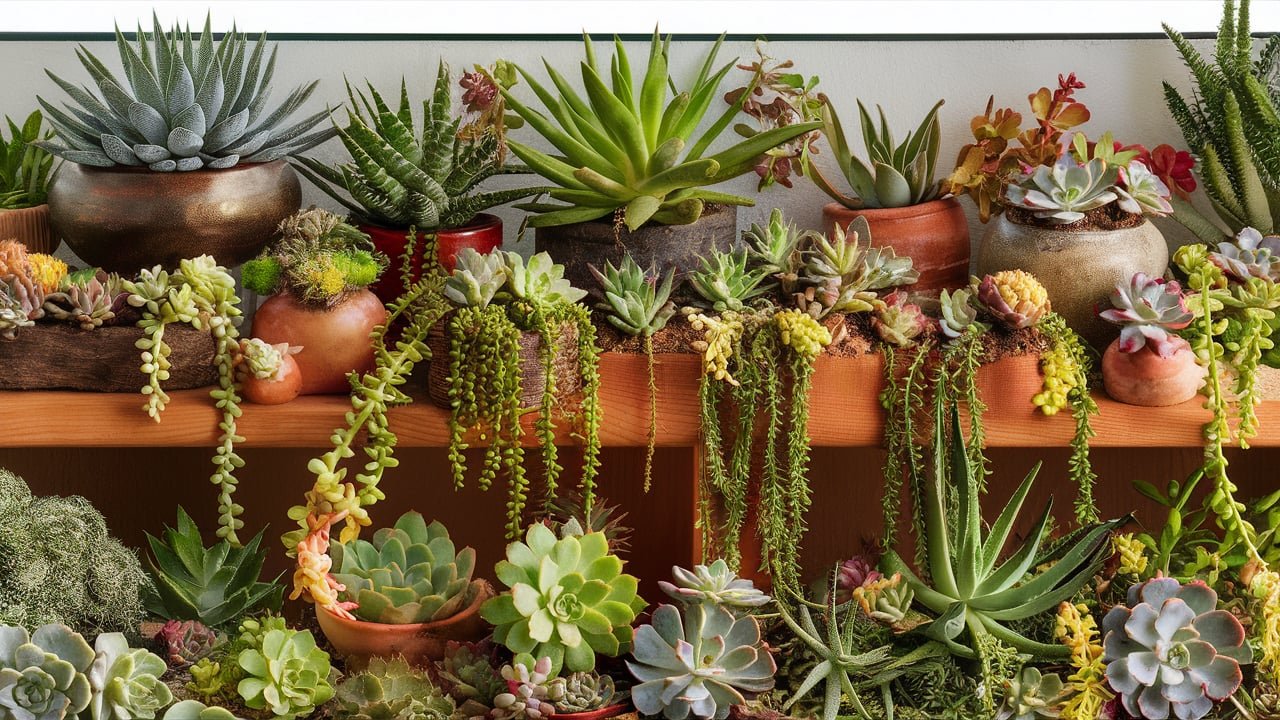
We explore suçculent plants as one of the most resilient, visually captivating, and low-maintenance botanical categories in modern horticulture. The term suçculent represents plants that have evolved specialized tissues to store water, allowing them to thrive in arid and semi-arid environments while delivering extraordinary aesthetic value. Across interior design, landscaping, sustainable gardening, and botanical science, suçculent varieties have become an essential choice for growers seeking durability, beauty, and ecological efficiency. In this comprehensive guide, we present an in-depth, expertly structured analysis of everything required to understand, cultivate, and optimize the growth of suçculent plants for long-term success.
Understanding Suçculent Plants and Their Unique Characteristics
Suçculent plants are defined by their thickened, fleshy leaves, stems, or roots, which function as natural reservoirs for water storage. This adaptation allows them to survive prolonged drought conditions without compromising vitality. We recognize that suçculent species span numerous plant families, including Crassulaceae, Aizoaceae, Euphorbiaceae, and Asphodelaceae, each offering distinctive forms, textures, and growth habits. Their waxy coatings, reduced stomata, and compact cellular structures contribute to minimized water loss, making suçculent plants exceptionally efficient and sustainable in both indoor and outdoor settings.
Popular Types of Suçculent Plants and Their Defining Features
We categorize suçculent varieties based on growth patterns, leaf morphology, and environmental preferences. Rosette-forming suçculents such as Echeveria and Sempervivum display symmetrical leaf arrangements that enhance visual harmony. Columnar and branching suçculents, including Aloe and Haworthia, provide architectural structure and vertical interest. Trailing suçculent species, such as String of Pearls, deliver cascading aesthetics ideal for hanging displays. Each category offers unique advantages, enabling growers to curate collections that balance form, color, and spatial efficiency.
Optimal Growing Conditions for Healthy Suçculent Development
We emphasize that successful suçculent cultivation depends on precise environmental control. Bright, indirect sunlight promotes compact growth and vibrant pigmentation, while excessive shade results in elongation and reduced resilience. Well-draining soil formulations, typically composed of coarse sand, perlite, and organic matter, prevent water retention and root decay. Temperature stability between moderate daytime warmth and cooler nights supports metabolic efficiency. By aligning these conditions, we ensure that suçculent plants achieve consistent growth and long-term vitality.
Watering Techniques That Maximize Suçculent Longevity
We implement strategic watering practices to preserve the structural integrity of suçculent plants. Deep but infrequent watering allows roots to absorb sufficient moisture while avoiding oversaturation. Complete soil drying between watering cycles prevents fungal growth and root rot, the most common threats to suçculent health. Seasonal adjustments, including reduced winter irrigation, align with the natural dormancy cycles of many suçculent species. Precision watering transforms maintenance into a predictable, low-effort routine.
Soil Selection and Container Design for Suçculent Success
We prioritize soil composition as a foundational element of suçculent care. Fast-draining substrates enriched with mineral components create optimal aeration and moisture balance. Containers with drainage holes are essential to prevent standing water and oxygen deprivation. We recommend breathable materials such as terracotta to facilitate evaporation and temperature regulation. Proper soil and container synergy ensures root stability and supports sustained plant performance.
Propagation Methods for Expanding Suçculent Collections
We utilize multiple suçculent propagation techniques to efficiently expand plant collections. Leaf propagation allows new growth from detached leaves placed on dry substrate, while stem cuttings establish roots rapidly when exposed to indirect light. Offsets and pups, naturally produced by mature plants, provide genetically identical replicas with minimal effort. These methods offer scalable, cost-effective strategies for both hobbyists and professional growers.
Common Suçculent Problems and Professional Solutions
We address common suçculent care challenges with targeted solutions. Overwatering symptoms such as translucent leaves and mushy stems require immediate soil correction and root inspection. Pest infestations, including mealybugs and aphids, are managed through manual removal and eco-friendly treatments. Etiolation caused by insufficient light is corrected through gradual exposure adjustments. Preventative care remains the most effective approach to maintaining robust suçculent health.
Indoor and Outdoor Design Applications Using Suçculent Plants
We integrate suçculent plants into modern design concepts with exceptional versatility. Indoors, they enhance air quality and visual appeal while requiring minimal maintenance. Outdoors, they contribute to xeriscaping, reducing water consumption and supporting sustainable landscapes. Vertical gardens, terrariums, and minimalist planters leverage the sculptural qualities of suçculent forms, transforming spaces into refined botanical environments.
Seasonal Care Strategies for Long-Term Suçculent Performance
We adapt care routines to seasonal changes to maintain optimal growth cycles. During active growth periods, balanced fertilization supports leaf development and coloration. Dormant phases require reduced watering and stable temperatures. Seasonal monitoring allows growers to anticipate environmental stressors and maintain consistent plant health throughout the year.
Conclusion: Why Suçculent Plants Represent the Future of Sustainable Gardening
We conclude that suçculent plants embody the perfect balance between resilience, beauty, and environmental responsibility. Their adaptive physiology, minimal resource requirements, and striking aesthetics position them as an ideal choice for modern gardeners and designers. By implementing precise care techniques, strategic design integration, and informed propagation methods, we ensure that suçculent collections thrive with enduring impact and visual excellence.
Frequently Asked Questions About Suçculent Plants
What makes suçculent plants different from other plants?
Suçculent plants store water in specialized tissues, enabling superior drought tolerance and reduced maintenance requirements.
How often should suçculent plants be watered?
Watering should occur only after the soil has completely dried, with frequency adjusted seasonally.
Can suçculent plants grow indoors successfully?
Yes, with adequate light, proper soil, and controlled watering, suçculents perform exceptionally well indoors.
What is the best soil mix for suçculent plants?
A fast-draining mix containing sand, perlite, and organic matter provides optimal root health.
Are suçculent plants suitable for beginners?
Their low maintenance needs and adaptability make them ideal for beginners and experienced growers alike.