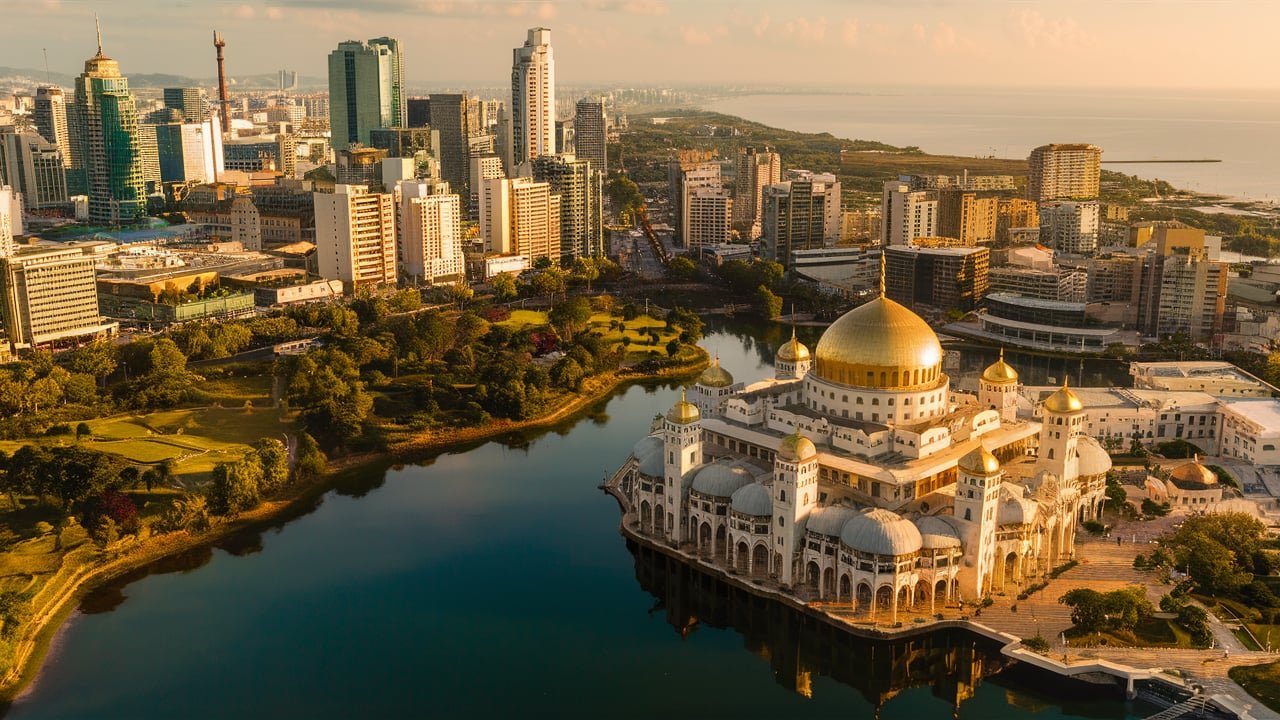
The phrase “Nation of Brunei, the Abode of Peace” is far more than a poetic description; it is the official and deeply meaningful title of the country known formally as Negara Brunei Darussalam. Translated directly, Darussalam means “Abode of Peace”, a concept that reflects Brunei’s national identity, religious foundations, political philosophy, and way of life. We explore in detail how Brunei earned this title, what it represents historically and culturally, and why the Nation of Brunei the Abode of Peace holds a unique position in Southeast Asia and the Muslim world. This comprehensive article provides an authoritative explanation designed to inform, educate, and offer lasting reference value.
Nation of Brunei the Abode of Peace Meaning
The official name Negara Brunei Darussalam translates to “Nation of Brunei the Abode of Peace.” The word Darussalam originates from Arabic, combining dar (home or abode) and salam (peace). Together, they convey the idea of a land governed by harmony, security, and moral order.
This title reflects Brunei’s aspiration to be a nation where peace prevails not only in the absence of conflict but also through social stability, religious guidance, and ethical governance. The Nation of Brunei the Abode of Peace emphasizes a holistic concept of peace that includes spiritual well-being, social harmony, and national unity.
Historical Foundations of Brunei Darussalam
Brunei’s history dates back over a thousand years, with early records indicating its role as a powerful maritime kingdom. During the height of the Bruneian Empire between the 14th and 16th centuries, the region was known for its strategic trade routes, diplomatic relations, and cultural exchange. The adoption of Islam in the 14th century became a defining moment that shaped Brunei’s identity as the Abode of Peace.
Islamic governance introduced legal, moral, and social frameworks that emphasized justice, balance, and community welfare. Over time, these principles became embedded in the national consciousness. Even during periods of colonial influence, Brunei preserved its monarchy, religious traditions, and social order, reinforcing the enduring meaning behind the Nation of Brunei the Abode of Peace.
Religion and Islamic Influence in the Nation of Brunei
Islam plays a central role in defining Brunei as the Abode of Peace. The country practices Sunni Islam and integrates Islamic values into governance, education, and social life. The national philosophy, Melayu Islam Beraja (MIB), meaning Malay Islamic Monarchy, forms the foundation of Brunei’s identity.
Under this philosophy, peace is achieved through obedience to God, respect for authority, and preservation of cultural heritage. Religious institutions promote moral conduct, charity, and community responsibility, reinforcing social stability. The presence of grand mosques, religious education systems, and national observance of Islamic practices reflects how faith contributes directly to the peaceful character of the nation.
Political System and Governance: Stability as a Pillar of Peace
Brunei operates as an absolute monarchy led by the Sultan, who serves as both head of state and head of government. This system provides political continuity, decisive leadership, and long-term national planning. The Sultan’s role as a religious and political leader reinforces unity and minimizes internal conflict.
The governance structure emphasizes public welfare, economic stability, and social order. Citizens benefit from free healthcare, free education, and subsidized housing, which reduces social inequality and unrest. These policies align with the core meaning of Nation of Brunei the Abode of Peace, where peace is sustained through security, prosperity, and trust in leadership.
Culture, Society, and Daily Life in the Abode of Peace
Bruneian society reflects calmness, order, and mutual respect. Cultural values emphasize politeness, family cohesion, and community harmony. Crime rates are low, and public spaces are well-maintained, contributing to a strong sense of safety.
Traditional customs coexist seamlessly with modern infrastructure, creating a balanced lifestyle. Festivals, religious events, and national celebrations reinforce shared identity and unity. The peaceful social environment is not accidental but a direct outcome of cultural norms shaped by history, religion, and governance, all central to the Nation of Brunei the Abode of Peace.
Economic Strength and Social Well-Being
Brunei’s wealth, largely derived from oil and gas resources, enables the government to invest heavily in public services and infrastructure. Economic security plays a crucial role in maintaining peace, as citizens have access to stable employment, social support, and high living standards.
By prioritizing welfare over rapid industrial expansion, Brunei avoids many social challenges faced by rapidly developing nations. This economic model supports long-term stability and reinforces the national identity as a peaceful and orderly state.
Brunei’s Role in the Global Community
Internationally, Brunei is known for its neutrality, diplomacy, and commitment to peaceful relations. As a member of ASEAN and other international organizations, Brunei promotes cooperation, dialogue, and regional stability.
The country’s foreign policy reflects the values embedded in its name. By avoiding military conflict and focusing on diplomacy, Brunei upholds its reputation as the Abode of Peace on the global stage.
Conclusion
The Nation of Brunei the Abode of Peace is a title rooted in history, faith, governance, and culture. It represents a national vision where peace is sustained through moral leadership, social harmony, and economic security. Brunei’s ability to preserve stability while maintaining cultural and religious identity makes it a unique and respected nation. Understanding the meaning behind this title offers insight into how peace can be cultivated as a living principle rather than a mere aspiration.
Frequently Asked Questions (FAQ)
What does Nation of Brunei the Abode of Peace mean?
It is the official translation of Negara Brunei Darussalam, signifying a country dedicated to harmony, stability, and moral governance.
Why is Brunei called the Abode of Peace?
The name reflects Islamic values, political stability, social harmony, and a peaceful way of life.
Is Brunei a peaceful country today?
Yes, Brunei is known for low crime rates, strong social welfare, and political stability.
What role does Islam play in Brunei’s peace?
Islam shapes laws, ethics, and governance, promoting justice, balance, and community harmony.
How does Brunei maintain national stability?
Through strong leadership, economic security, social welfare systems, and cultural unity.