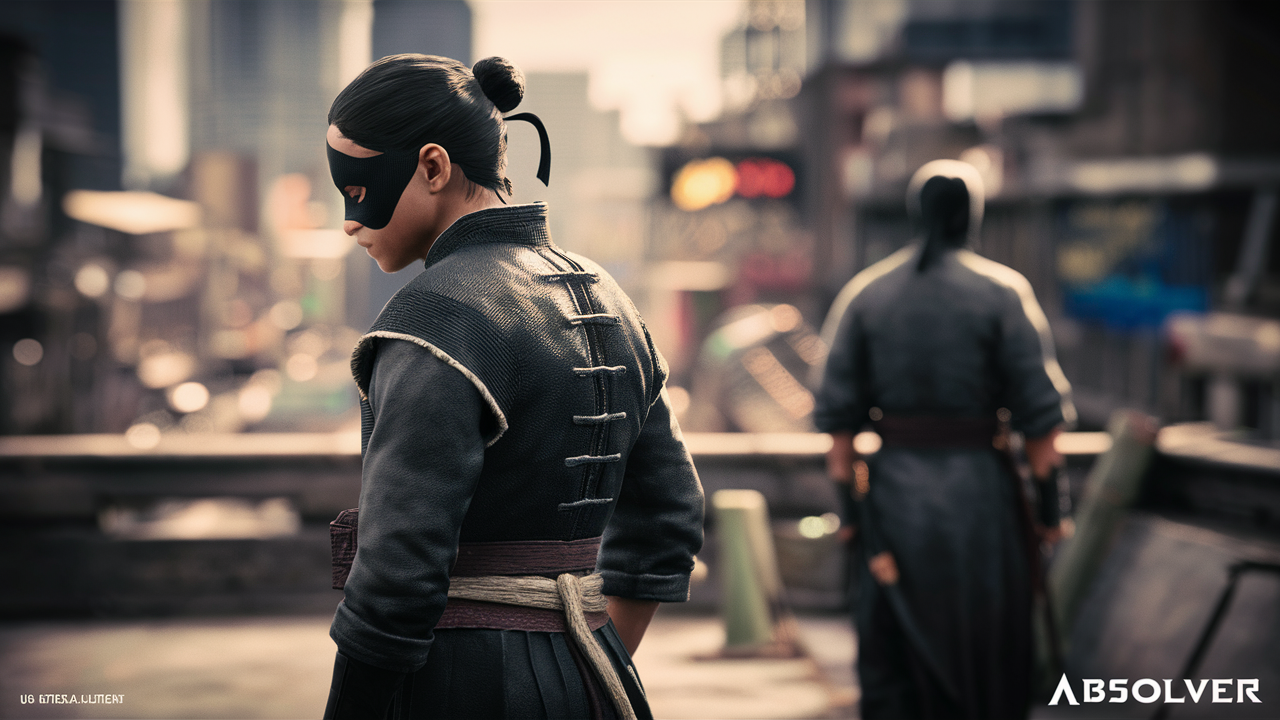
Many players searching for “Absolver why does my character turn away” encounter this issue during combat or movement and assume it is a bug or broken control mechanic. In reality, this behavior is deeply connected to Absolver’s unique combat system, stance mechanics, camera control, and targeting logic. We address this question comprehensively by breaking down every mechanic that can cause your character to turn away, how these systems are designed to work, and how players can regain full control during fights. This guide delivers a complete, authoritative explanation intended to help players fully understand and master Absolver’s combat flow.
Understanding Absolver’s Combat Design Philosophy
Absolver why does my character turn away is built around precision martial arts combat, not traditional hack-and-slash mechanics. We emphasize that character movement and orientation are intentional design elements, not random glitches. The game prioritizes stance-based positioning, directional attacks, and player awareness over static lock-on systems. This means your character may turn away when the system interprets a change in threat direction, stance flow, or camera input.
Primary Reason: The Stance-Based Combat System
How Stances Control Direction
The most important reason your character turns away lies in Absolver’s four-direction stance system. Each stance determines attack angles, defensive options, and movement flow. When transitioning between stances, the character may rotate automatically to align with the next attack direction.
This design encourages fluid combat chains rather than fixed facing. If an attack sequence ends in a stance that faces away from the enemy, your character follows that orientation until the next input corrects it.
Target Lock and Enemy Prioritization Mechanics
Why Lock-On Can Shift Orientation
Unlike traditional action games, Absolver’s lock-on system is soft-targeted. We note that when multiple enemies are nearby or when an enemy moves behind you, the system may momentarily release or shift focus. This can cause your character to turn away briefly, especially during dodge or defensive inputs.
This behavior reinforces Absolver’s core philosophy: situational awareness over hard lock dependency.
Camera Input and Analog Stick Sensitivity
Camera Movement Influences Facing Direction
Another major contributor to the turning issue is camera control. Absolver ties character orientation closely to camera movement. Even slight analog stick input or mouse movement can signal directional intent, causing your character to rotate unexpectedly.
Players often experience this when adjusting the camera mid-combo or during evasive maneuvers. The game interprets camera movement as an intentional repositioning request.
Defensive Actions and Auto-Repositioning
Dodging, Avoiding, and Parrying Effects
Defensive actions such as side-step dodges, avoids, and parries automatically reposition your character. After a successful avoid, the character may rotate to align with the next predicted attack angle, which can appear as turning away from the opponent.
We emphasize that this is part of Absolver’s reactive defense system, designed to reward timing and adaptability rather than static blocking.
Multiple Enemies and Environmental Awareness
Why Crowds Cause Directional Shifts
When facing multiple opponents, Absolver dynamically adjusts orientation to prevent tunnel vision. Your character may turn away from one enemy to acknowledge another threat entering range. This system reduces unfair blindside attacks and reinforces the game’s emphasis on spatial awareness.
In crowded encounters, this behavior becomes more noticeable and often misunderstood as loss of control.
Controller vs Keyboard Input Differences
Input Method Matters
We observe that controller users experience turning issues more frequently due to analog stick sensitivity, while keyboard players may encounter abrupt camera snaps. Improper dead zone configuration or overly sensitive mouse settings can exaggerate directional input, leading to unwanted rotation.
Optimizing control settings significantly reduces this issue.
How to Stop Your Character Turning Away in Absolver
Practical Control Solutions
We recommend the following adjustments to maintain control:
-
Reduce camera sensitivity
-
Minimize unnecessary camera movement during combos
-
Re-center stance deliberately after attack chains
-
Avoid over-rotating analog sticks
-
Practice stance awareness in training mode
Mastery of these techniques aligns your intent with the game’s mechanics, eliminating confusion.
Why This Design Improves Skill Expression
Although frustrating initially, this system rewards high-level play. Advanced players use stance rotation strategically to bait attacks, reposition, and control combat flow. We emphasize that what feels like a flaw is actually a skill ceiling mechanic that separates beginners from experienced Absolvers.
Conclusion
The question “absolver why does my character turn away” stems from misunderstanding Absolver’s deeply intentional combat design. Character rotation is driven by stance transitions, camera input, targeting logic, and defensive mechanics working together. We conclude that once these systems are understood and controlled, the turning behavior becomes a powerful tactical advantage rather than a frustration. Mastery comes from embracing Absolver’s fluid martial philosophy rather than fighting against it.
Frequently Asked Questions (FAQ)
Is my character turning away a bug in Absolver?
No, this behavior is a core mechanic tied to stances, camera input, and targeting systems.
Does camera movement affect character direction?
Yes, Absolver strongly links camera input to character orientation.
Can I disable character turning in Absolver?
No, but adjusting sensitivity and stance control greatly minimizes it.
Why does this happen more during combat?
Combat involves stance shifts, enemy movement, and defensive repositioning, increasing rotation frequency.
Is this mechanic intentional for competitive balance?
Yes, it promotes situational awareness, skill expression, and adaptive combat.