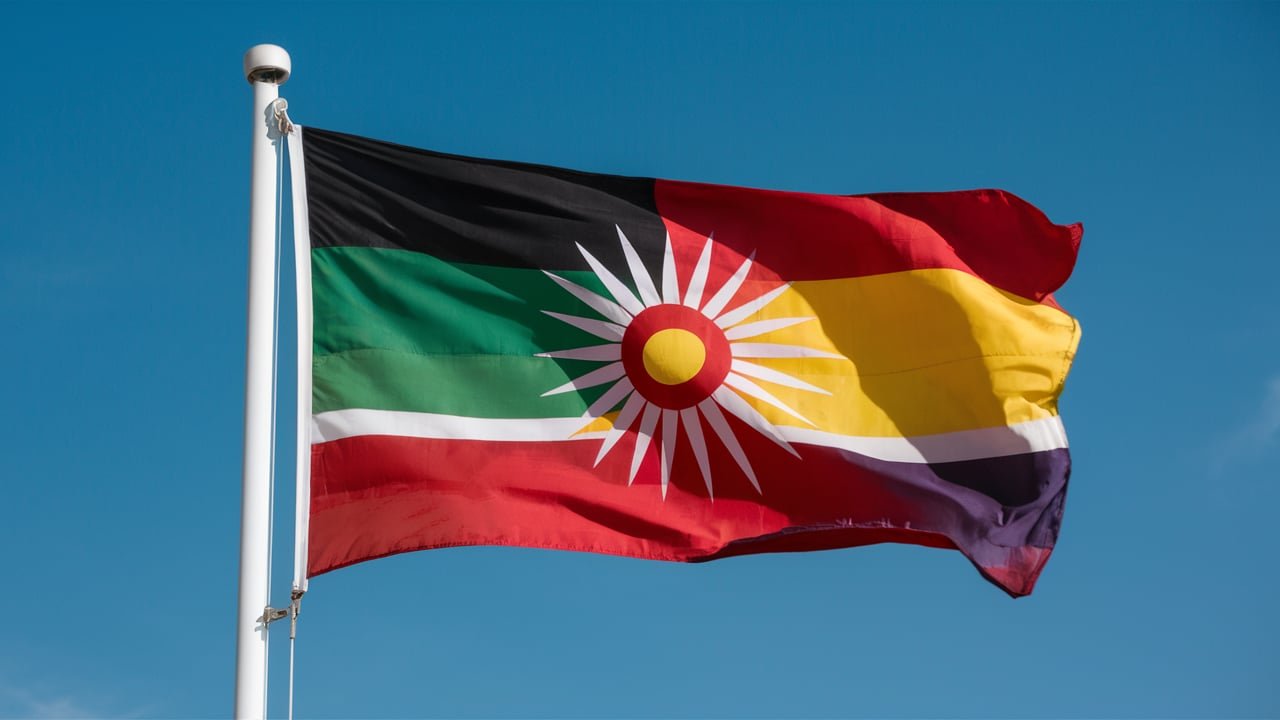
We explore the aboriginal flag as one of the most powerful and widely recognized symbols of Indigenous identity in Australia. More than a visual emblem, the Aboriginal flag represents survival, resistance, cultural pride, and an enduring connection to land that spans tens of thousands of years. It stands as a unifying symbol for Aboriginal peoples while also serving as a reminder of historical injustice, resilience, and the ongoing journey toward recognition and equality. Through an in-depth examination of its origins, symbolism, historical context, and modern relevance, we present a comprehensive understanding of why the aboriginal flag holds such profound meaning within Australian society and beyond.
The Origins of the Aboriginal Flag
We trace the creation of the aboriginal flag to 1971, when it was designed by Aboriginal artist and activist Harold Thomas. The flag emerged during a period of heightened political activism and growing demand for land rights and social justice among Aboriginal communities. Originally created for the National Aboriginal Day celebrations in Adelaide, the flag quickly gained prominence as a symbol of unity and protest. Its adoption coincided with a broader movement advocating for recognition of Aboriginal people as the original custodians of the land. Over time, the Aboriginal flag evolved from a protest banner into a nationally and internationally recognized emblem of Indigenous identity.
Design and Colors of the Aboriginal Flag
We examine the design of the aboriginal flag, which is striking in its simplicity and depth of meaning. The flag consists of three colors: black, red, and yellow. The top half is black, representing the Aboriginal people. The bottom half is red, symbolizing the red earth, the land, and the spiritual relationship Aboriginal people have with their country. At the center lies a yellow circle, representing the sun, the giver of life and protector. Each element of the flag was intentionally chosen to communicate identity, connection, and continuity. This powerful visual language allows the Aboriginal flag to convey complex cultural meaning in a universally recognizable form.
Symbolism and Cultural Meaning
We understand that the aboriginal flag is deeply symbolic and operates on multiple levels. Beyond its colors, it embodies the collective identity of Aboriginal nations across Australia, despite the diversity of languages, traditions, and customs. The flag symbolizes survival after colonization, the endurance of culture despite displacement, and the strength of Aboriginal communities in maintaining their traditions. It also serves as a statement of sovereignty, emphasizing that Aboriginal people existed long before European settlement and continue to assert their rights and cultural presence.
The Aboriginal Flag and Political Recognition
We recognize the role of the aboriginal flag in political and legal contexts. In 1995, the Australian government officially proclaimed the Aboriginal flag as a Flag of Australia under the Flags Act, granting it formal recognition alongside the national flag. This acknowledgment marked a significant milestone in the visibility of Aboriginal identity within the nation. However, the flag remains a powerful political symbol, frequently displayed during protests, reconciliation events, and public demonstrations addressing land rights, social justice, and constitutional recognition.
Use of the Aboriginal Flag in Public Life
We observe the widespread use of the aboriginal flag across Australia in government buildings, schools, sporting events, and community spaces. Its presence at national ceremonies and official events signals respect and recognition of Aboriginal peoples as the First Nations of the continent. In sports, the flag is often displayed to honor Aboriginal athletes and promote inclusion. In education, it serves as a visual reminder of Indigenous history and cultural awareness. This growing visibility reflects a broader societal effort to acknowledge and respect Aboriginal heritage.
The Aboriginal Flag and Cultural Identity
We acknowledge that for Aboriginal people, the aboriginal flag is more than a national symbol; it is a source of pride, belonging, and cultural affirmation. Flying the flag asserts identity in a society where Aboriginal voices were historically marginalized. It provides a sense of unity among diverse Aboriginal communities while respecting regional differences. The flag’s presence reinforces cultural continuity and supports intergenerational connection by reminding younger generations of their heritage and resilience.
Contemporary Significance of the Aboriginal Flag
We recognize that the aboriginal flag remains highly relevant in contemporary Australia. It continues to be a focal point in discussions about reconciliation, constitutional recognition, and social equity. The flag’s meaning evolves as new generations reinterpret it in the context of modern challenges while maintaining its core symbolism. Its use in art, fashion, and digital media demonstrates its adaptability and enduring relevance as a living symbol rather than a static historical artifact.
Conclusion
We conclude that the aboriginal flag stands as one of the most important symbols of Indigenous identity in Australia. Its powerful design, rich symbolism, and historical significance make it far more than a decorative emblem. The flag represents resilience, cultural survival, and an unbroken connection to land and community. Understanding its meaning and history allows for deeper respect and recognition of Aboriginal peoples and their place within the Australian nation. As a symbol of pride, resistance, and unity, the Aboriginal flag continues to inspire reflection, dialogue, and progress.
Frequently Asked Questions (FAQ)
What does the Aboriginal flag represent?
The aboriginal flag represents Aboriginal people, their connection to land, cultural identity, and the sun as the source of life.
Who designed the Aboriginal flag?
The flag was designed by Aboriginal artist and activist Harold Thomas in 1971.
What do the colors of the Aboriginal flag mean?
Black represents Aboriginal people, red symbolizes the land and spiritual connection, and yellow represents the sun.
Is the Aboriginal flag officially recognized?
Yes, it was officially recognized as a Flag of Australia in 1995.
Why is the Aboriginal flag important today?
It remains a powerful symbol of identity, recognition, reconciliation, and the ongoing pursuit of social justice for Aboriginal people.