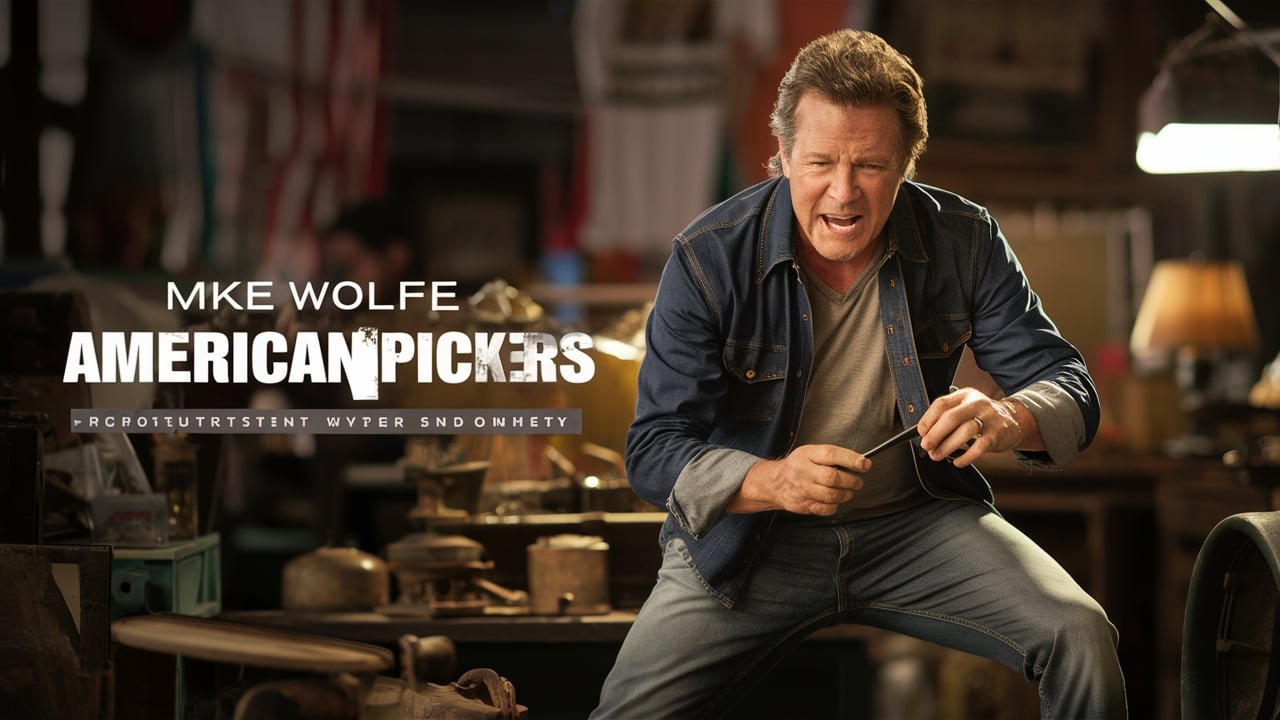
In a world where modern trends often overshadow heritage, few individuals manage to fuse personal passion with cultural preservation as effectively as Mike Wolfe Passion Project. His passion project—scouring barns, forgotten garages, and abandoned properties for forgotten treasures—is not just about collecting old items; it is a mission to rescue fragments of American history from oblivion. Through diligent searching, emotional connections, and storytelling, Mike Wolfe turns musty relics into meaningful artifacts that speak to generations. In this article, we explore the depth of his passion project, the impact it carries for collectors and history lovers, and why it resonates far beyond the world of antiques.
What Exactly Is the “Passion Project”?
When we refer to Mike Wolfe’s “passion project,” we mean more than a hobby—it is a deeply rooted commitment to discovery, preservation, and storytelling. Every item he picks up along the way tells a story of a bygone era. From early 20th-century signage and vintage motorcycles to dusty farm tools and old neon advertisements, the project revolves around unearthing artifacts that connect us to our past.
Unlike a typical collection driven by monetary value, this passion project is fueled by heart. The items Wolfe finds may not always fetch a high price at auction, but they carry intangible value—memories of simpler times, craftsmanship from another age, and tangible links to cultural shifts. We view each find as a piece of a larger historical puzzle, one that risks being lost forever if no one cares to preserve it.
How Barn Finds and Forgotten Treasures Tell America’s Story
In the vast landscape of rural America, barns often stand as silent time capsules. Decades of weather, neglect, and changing ownership may render them dilapidated, but inside can lie a wealth of history: farm implements, dusty signage, vintage jars, and relics of everyday life.
When Wolfe—and collectors inspired by him—venture into these forgotten corners, they’re doing more than salvaging junk. They are documenting social history. A rusted gas pump might reflect the roadside culture of the 1940s and 1950s; a barn full of old tools might speak to generations of farmers who shaped the landscape. Every dent, scratch, or fading paint on these items becomes a fingerprint from the past, a silent testament to lives once lived, communities once thriving, and industries long gone.
Why This Project Resonates with Collectors and History Lovers
The magic behind the passion project lies in its universal appeal. For collectors, it’s about the thrill of the hunt — the adrenaline rush when the perfect, overlooked gem finally emerges from layers of dust. For history lovers, it’s about connection and preservation — about giving a voice to objects that would otherwise remain mute and forgotten.
We believe this project strikes a chord because it combines tangible artifacts with emotional narratives. An old sign for a defunct diner is more than painted letters; it evokes memories of fries shared under neon lights, laughter, and community gathering. A vintage motorcycle might recall journeys across dusty highways, endless summers, and youthful wanderings. These objects hold cultural resonance and personal stories — bridging time, memory, and identity.
Moreover, by bringing such pieces into public view — whether in auctions, displays, or media — the collection becomes part of a collective memory. It inspires others to look beyond the new, to value durability, nostalgia, and craftsmanship, reminding us that history isn’t only preserved in books and monuments, but in everyday artifacts.
The Ethical Side: Preservation Over Profit
Many passion-driven collectors face a pivotal question: is this about profit, or is this about preservation? In the case of this project, the answer tilts heavily toward preservation. Instead of simply flipping items for quick gain, the focus remains on authenticity, documentation, and legacy.
We treat each find with respect. Items are photographed, documented, and whenever possible, the story behind them is traced. Who owned them? What era are they from? What purpose did they serve? This responsible approach ensures these objects don’t just change hands — they gain context.
Such diligence transforms what could be a shallow accumulation of old goods into a curated archive of cultural heritage. The value becomes multidimensional: aesthetic, historical, emotional. It’s a respectful collaboration across time — preserving what was to inform what will be.
How the Passion Project Influences the Modern Collecting Community
Thanks to the visibility of Mike Wolfe’s work — popularized through documentaries, media appearances, and passionate storytelling — interest in vintage objects and collecting has surged. New collectors emerge, inspired not by investment returns but by the romance of history and the satisfaction of discovery.
Communities form around this: forums for antique hunters, local barn-find expeditions, swap meets, and sharing of stories behind each find. We’ve seen a resurgence of appreciation for older craftsmanship, for items built to last, often with character and history embedded in their imperfections.
Moreover, this movement has sparked heritage tourism. People travel to rural areas seeking barn sales, estate auctions, and flea markets — not just to buy, but to learn, to discover, to preserve. The passion project doesn’t just unearth objects; it fosters connections between generations, regions, and stories.
Challenges and Criticisms — And How We Address Them
Every passion project with public visibility encounters scrutiny. Critics might call salvage-style collecting opportunistic, or worry about items leaving local communities forever. There is also an ethical balance between preserving relics and respecting private property or local heritage.
We approach these concerns with humility and ethics. Whenever possible, we engage with local owners, get permission, and respect the history of place. We prioritize education over exploitation, often documenting items in situ before removal, and sometimes encouraging local exhibitions or donations so the heritage remains accessible to the community.
We believe preservation does not mean extraction. It means stewardship — honoring context, acknowledging origin, and ensuring these fragments of past lives continue to resonate, not just in private collections, but in collective memory.
Conclusion
The “Mike Wolfe Passion Project” embodied by Mike Wolfe transcends mere collecting. It is an ongoing cultural mission to rescue history from neglect, to breathe life back into forgotten artifacts, and to stitch together the narrative of everyday America — one barn find, one dusty sign, one vintage motorcycle at a time.
By viewing each object not as a commodity but as a story, we affirm its value beyond monetary terms. We honor craftsmanship, memory, and legacy. We create tangible connections to our past — and ensure they survive for generations to come.
The passion project beckons to anyone who believes history lives not only in textbooks but in objects with stories etched into their surfaces. It asks: will you see value in what others discard? Will you give voice to forgotten artifacts, and help keep their stories alive?
FAQ
Q: What kinds of items are typically part of this passion project?
A: Items range from industrial signage, vintage motorcycles, old farm tools, antique furniture, classic automobiles parts, neon signs, rustic jars, roadside gas pumps — essentially anything that reflects historical craftsmanship or evokes a cultural moment in time.
Q: Is the main goal financial gain?
A: No. While some items may sell at auctions, the primary goal is preservation and storytelling. The emotional and historical significance of each find outweighs short-term profit.
Q: Can individuals contribute to such preservation efforts?
A: Absolutely. Anyone can document old items found locally, take photos, record stories behind them, and share them online or with local history groups. These grassroots efforts often deepen collective heritage.
Q: How does documenting the background of artifacts help?
A: Documenting context — where the item came from, who owned it, what era it belongs to — preserves its story. It enriches its value beyond being a mere object, transforming it into a piece of cultural memory.
Q: Does this project have a wider cultural impact?
A: Yes. By raising interest in vintage items and cultural preservation, the project inspires generations to value heritage, fosters community engagement, boosts heritage tourism, and keeps forgotten histories alive.