Vein ablation is a widely used and highly effective medical procedure for treating varicose veins and chronic venous insufficiency. Although it is considered minimally invasive and generally safe, patients must remain vigilant during recovery. One of the most serious but uncommon complications is the development of a blood clot after vein ablation, which can include deep vein thrombosis (DVT) or superficial thrombophlebitis. Recognizing the early signs of blood clot after vein ablation is essential for prompt medical intervention and prevention of long-term complications. This article provides a comprehensive, medically accurate, and patient-focused explanation of symptoms, risk factors, timelines, and post-procedure monitoring to support informed recovery and optimal outcomes.
Understanding Vein Ablation and Blood Clot Risk
Vein ablation is a procedure that uses heat (radiofrequency or laser) or medical adhesive to close diseased veins, redirecting blood flow to healthier veins. While this improves circulation and relieves symptoms, the process temporarily alters venous blood flow and causes controlled injury to the vein wall. This environment can, in rare cases, promote blood clot formation, particularly in patients with reduced mobility, clotting disorders, obesity, smoking history, or previous venous thromboembolism. Understanding the difference between normal inflammatory healing and abnormal clot formation is critical during recovery.
Early Signs of Blood Clot After Vein Ablation
One of the earliest signs of blood clot after vein ablation is persistent leg pain that worsens rather than improves over time. Unlike typical post-procedural soreness, clot-related pain is often deep, throbbing, and localized in the calf or thigh. Patients may notice unilateral swelling, where one leg becomes noticeably larger than the other, accompanied by tightness or heaviness that does not resolve with elevation or compression stockings. These early symptoms often appear within days to weeks after the procedure and should never be ignored.
Visible and Physical Symptoms to Watch For
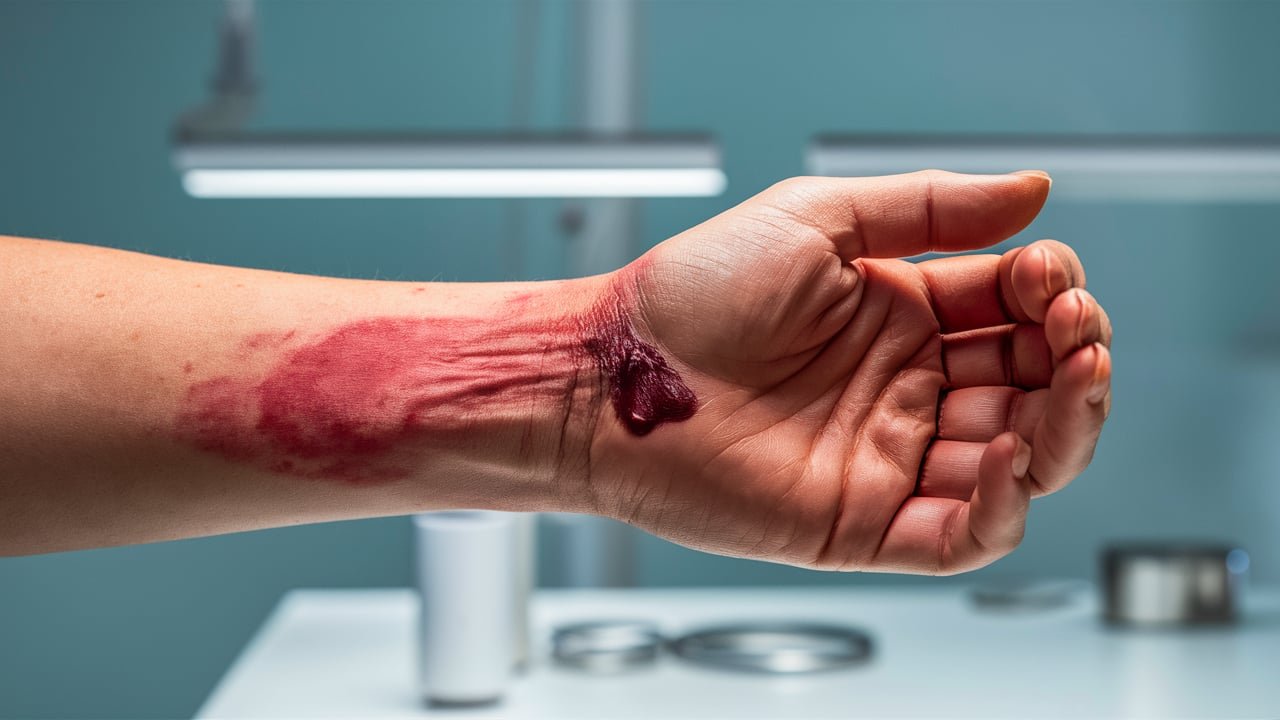
Visible changes are among the most recognizable blood clot symptoms after vein ablation. These include redness, warmth, and discoloration of the skin along the treated vein or deeper within the leg. The affected area may feel hot to the touch and appear shiny or inflamed. Some patients report tenderness along a cord-like structure beneath the skin, which may indicate superficial thrombophlebitis. While superficial clots are generally less dangerous than DVT, they still require medical evaluation to prevent progression.
Signs of Deep Vein Thrombosis After Vein Ablation
Deep vein thrombosis after vein ablation is rare but potentially life-threatening if the clot travels to the lungs. Symptoms of DVT include severe calf pain, marked swelling, skin tightness, and pain that intensifies when standing or walking. In some cases, the skin may appear bluish or pale due to impaired blood flow. DVT may develop silently, making routine follow-up ultrasounds after ablation a critical part of post-procedure care.
Pulmonary Embolism Warning Signs
In extremely rare cases, a blood clot can dislodge and cause a pulmonary embolism (PE). This medical emergency presents with sudden shortness of breath, chest pain that worsens with deep breathing, rapid heart rate, coughing, dizziness, or fainting. These symptoms require immediate emergency medical attention. Although uncommon, awareness of PE signs is essential when discussing signs of blood clot after vein ablation.
Normal Recovery Symptoms vs Blood Clot Symptoms
It is normal to experience mild swelling, bruising, firmness, and tenderness after vein ablation. These symptoms typically improve steadily over one to two weeks. In contrast, blood clot symptoms tend to worsen over time, do not respond to compression or elevation, and are often accompanied by increasing pain or systemic symptoms. Understanding this distinction helps patients avoid unnecessary anxiety while ensuring dangerous symptoms are not overlooked.
Risk Factors That Increase Blood Clot Formation
Certain individuals are at higher risk for developing a blood clot after vein ablation. These risk factors include prolonged immobility, recent surgery, hormone therapy, pregnancy, smoking, obesity, inherited clotting disorders, and a history of DVT. Patients with these risk factors often require closer monitoring, extended use of compression therapy, or short-term anticoagulation to reduce clot risk.
Prevention and Monitoring After Vein Ablation
Preventive strategies significantly reduce the likelihood of clot formation. These include early ambulation, consistent use of compression stockings, adequate hydration, and adherence to post-procedure instructions. Follow-up duplex ultrasound examinations allow clinicians to detect early clot formation before symptoms worsen. Patients who actively participate in post-procedure care experience safer recoveries and better long-term outcomes.
Conclusion
Understanding the signs of blood clot after vein ablation empowers patients to recover safely and confidently. While vein ablation is a low-risk and effective treatment, recognizing abnormal pain, swelling, redness, and respiratory symptoms ensures timely medical intervention when needed. Differentiating normal healing from dangerous clot-related signs is essential for preventing complications such as deep vein thrombosis or pulmonary embolism. With proper monitoring, awareness, and follow-up care, vein ablation remains a highly successful procedure with excellent long-term results.
Frequently Asked Questions (FAQ)
How common are blood clots after vein ablation?
Blood clots are uncommon, occurring in a small percentage of patients, especially when post-procedure guidelines are followed.
How soon can a blood clot develop after vein ablation?
Clots may develop within days to several weeks after the procedure, making early monitoring critical.
Is leg pain normal after vein ablation?
Mild pain is normal, but worsening or severe pain accompanied by swelling or redness may indicate a blood clot.
Can compression stockings prevent blood clots?
Yes, compression stockings significantly reduce clot risk by improving venous blood flow during recovery.
When should I contact my doctor after vein ablation?
Seek medical care immediately if you experience increasing leg swelling, severe pain, redness, warmth, shortness of breath, or chest pain.