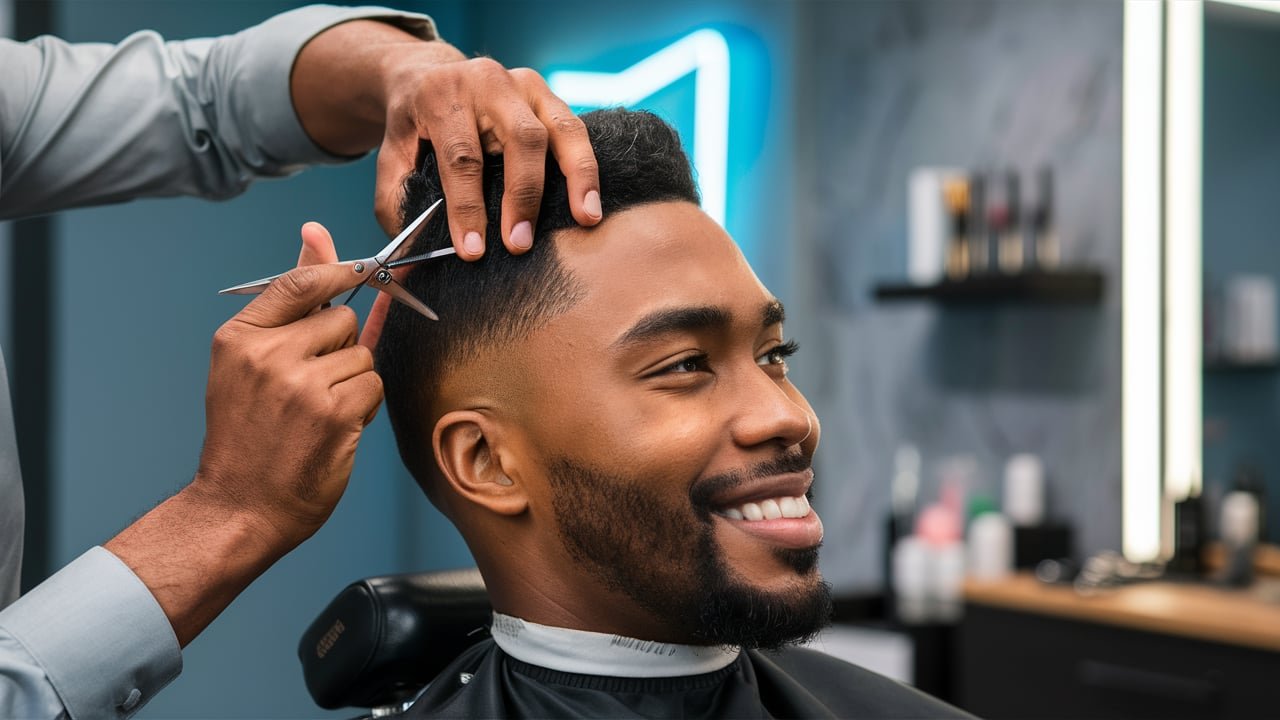
High fade cutting has become one of the most influential haircut styles in modern men’s grooming. Known for its sharp contrast, clean finish, and bold appearance, the high fade has evolved from a barbershop staple into a global style statement. We see this haircut embraced by athletes, professionals, and trendsetters alike because it delivers structure, versatility, and confidence in a single look. This comprehensive guide explores high fade cutting in detail, covering its definition, cutting techniques, popular variations, suitability for different face shapes, and long-term maintenance. By understanding the fundamentals of high fade cutting, we can make informed grooming choices that enhance personal style and presentation.
What Is High Fade Cutting
High fade cutting refers to a haircut technique where the fade begins high on the sides and back of the head, often above the temples. The hair gradually transitions from very short or skin-level near the bottom to longer lengths toward the top. We recognize the defining feature of a high fade as its dramatic contrast, which creates a sharp and structured silhouette. Unlike low or mid fades, high fade cutting emphasizes boldness and precision, making it a preferred choice for individuals seeking a clean, modern appearance.
The Evolution of High Fade Haircuts
High fade cutting has roots in military and athletic grooming standards, where cleanliness and uniformity were essential. Over time, barbers refined the technique, blending functionality with creativity. We observe that modern high fade styles incorporate textured tops, hard parts, and customized lengths, allowing for individual expression. This evolution has transformed the high fade from a utilitarian haircut into a fashion-forward grooming option suitable for various lifestyles.
High Fade Cutting Techniques Used by Barbers
Professional high fade cutting relies on advanced clipper control, blending skills, and precision detailing. Barbers typically start with the shortest guard or a straight razor at the base, gradually increasing guard lengths as they move upward. We emphasize the importance of smooth transitions, as harsh lines can disrupt the overall balance of the fade. Master barbers use clipper-over-comb techniques and refined wrist movements to achieve seamless blending. The result is a polished finish that highlights facial features and head shape.
Popular High Fade Cutting Styles
High fade cutting supports a wide range of top styles, making it highly adaptable. We frequently see high fades paired with textured crops, pompadours, slick backs, curly tops, and buzz cuts. Each variation offers a unique aesthetic while maintaining the clean fade foundation. The versatility of high fade cutting allows it to complement both casual and formal looks, reinforcing its popularity across age groups and professions.
High Fade Cutting and Face Shape Compatibility
Face shape plays a significant role in determining how a high fade haircut appears. We find that high fade cutting works particularly well for oval, square, and round face shapes by adding height and definition. For longer face shapes, barbers often adjust the fade height or add volume strategically to maintain proportional balance. Customization ensures that the haircut enhances natural features rather than overpowering them.
Why High Fade Cutting Is So Popular
The popularity of high fade cutting stems from its clean aesthetics and low-maintenance appeal. We recognize that the sharp contrast created by a high fade delivers an instantly fresh look that remains stylish even as it grows out. This haircut also aligns with contemporary fashion trends emphasizing minimalism and structure. Additionally, high fade cutting projects confidence and professionalism, making it suitable for both workplace environments and social settings.
Maintenance and Grooming for High Fade Haircuts
Maintaining a high fade haircut requires regular trimming to preserve its sharp lines and clean transitions. We recommend scheduling barber visits every two to three weeks, depending on hair growth rate. Using quality styling products such as pomades, clays, or creams helps maintain the top’s shape and texture. Daily grooming routines ensure that the fade remains crisp and visually appealing over time.
High Fade Cutting for Different Hair Types
High fade cutting adapts well to various hair types, including straight, wavy, and curly textures. We observe that curly hair paired with a high fade creates a striking contrast, emphasizing natural volume and movement on top. Straight hair benefits from the structured outline of the fade, while wavy hair adds softness and dimension. Skilled barbers tailor cutting techniques to hair texture to achieve optimal results.
High Fade Cutting vs Low and Mid Fades
Comparing high fade cutting with low and mid fades highlights its boldness. Low fades start closer to the neckline and offer subtle transitions, while mid fades balance between understated and dramatic. High fades, however, command attention with their elevated starting point and sharp contrast. We note that individuals seeking a strong, defined look often prefer high fade cutting over other fade variations.
Conclusion
High fade cutting stands as a defining haircut of modern men’s grooming, combining precision, versatility, and bold aesthetics. Its ability to adapt to different hair types, face shapes, and personal styles ensures lasting relevance in an ever-evolving fashion landscape. By understanding the techniques, variations, and maintenance requirements of high fade cutting, we can confidently choose a hairstyle that enhances appearance, professionalism, and self-expression. This haircut is more than a trend; it is a statement of structure and style.
Frequently Asked Questions (FAQ)
What makes high fade cutting different from other fades
High fade cutting starts higher on the head, creating a stronger contrast and a more dramatic appearance.
Is high fade cutting suitable for all hair types
Yes, high fade cutting works well with straight, wavy, and curly hair when properly customized.
How often should a high fade haircut be maintained
Most high fade styles require trimming every two to three weeks to keep the fade sharp.
Does high fade cutting work for professional settings
Yes, the clean and structured look of a high fade makes it suitable for professional environments.
Can high fade cutting be combined with long hair on top
Absolutely, many popular styles feature longer, textured tops paired with a high fade for contrast.