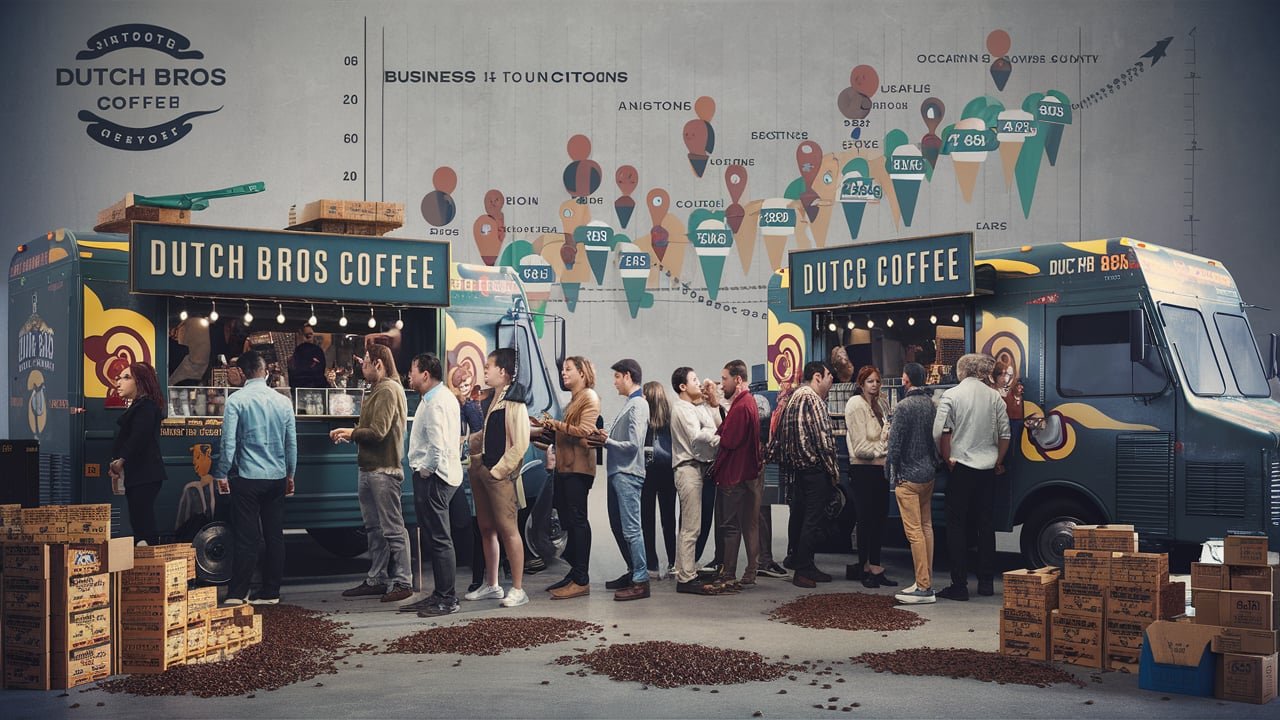
We are witnessing a period of accelerated growth for specialty coffee brands, and Dutch Bros Coffee stands at the center of this momentum. As the company expands its footprint beyond regional strongholds, coffee tariffs have become a defining factor shaping operational decisions, pricing models, and long-term expansion strategies. The convergence of rising international trade costs and aggressive store rollout plans creates a complex business environment that demands precision, adaptability, and strategic foresight. This article delivers a comprehensive examination of Dutch Bros coffee tariffs expansion, presenting a clear, structured, and authoritative perspective designed to outperform competing analyses in depth, clarity, and relevance.
Understanding Coffee Tariffs and Their Direct Impact on Dutch Bros
Coffee tariffs represent imposed duties on imported coffee beans, equipment, and related raw materials. For Dutch Bros, a brand deeply rooted in quality sourcing and consistency, tariffs directly influence procurement costs. We observe that higher tariffs on green coffee beans elevate baseline expenses, requiring recalibration of supply agreements and cost forecasts. These tariff-driven cost increases ripple across logistics, warehousing, and roasting operations, ultimately shaping how Dutch Bros structures its pricing and margin strategies without compromising brand value.
Dutch Bros Expansion Strategy in a Tariff-Sensitive Market
We recognize Dutch Bros for its rapid expansion model centered on drive-thru efficiency and localized brand engagement. As tariffs increase operational costs, expansion strategies must remain financially resilient. Dutch Bros mitigates tariff pressure by scaling supplier diversification, optimizing long-term import contracts, and leveraging volume-based purchasing power. This allows continued expansion into new domestic markets while maintaining cost control. The balance between expansion velocity and tariff absorption defines the sustainability of growth.
Pricing Strategy Adjustments Driven by Coffee Tariffs
Pricing remains a sensitive lever in the specialty coffee market. We see Dutch Bros employing strategic price calibration rather than abrupt increases. By distributing tariff costs across product categories and enhancing perceived value through customization and service quality, Dutch Bros preserves customer loyalty. This approach ensures that coffee tariffs do not erode market share during expansion phases, reinforcing brand trust while sustaining profitability.
Supply Chain Optimization and Tariff Risk Management
We observe that Dutch Bros approaches tariffs as a controllable variable rather than a fixed obstacle. Through supplier diversification across multiple coffee-producing regions, the company reduces dependency on single-origin imports subject to tariff volatility. Enhanced logistics planning and long-term freight contracts further stabilize costs. This supply chain agility is critical for supporting expansion without operational disruption, particularly as store counts increase year over year.
Domestic Expansion as a Strategic Hedge Against Tariffs
Rather than immediate international franchising, Dutch Bros prioritizes domestic expansion, where tariff exposure is limited to raw materials rather than finished product imports. We identify this approach as a deliberate hedge against global trade uncertainty. Expanding within the United States allows Dutch Bros to leverage centralized roasting and distribution while maintaining consistency across new locations, reinforcing brand integrity amid external cost pressures.
Brand Positioning and Consumer Perception During Expansion
We understand that tariffs are invisible to consumers, but their effects are not. Dutch Bros counteracts potential price sensitivity by strengthening brand differentiation through customer experience, employee culture, and community engagement. Expansion efforts emphasize localized marketing, reinforcing emotional brand connections that transcend minor price fluctuations. This strategic positioning ensures tariffs do not weaken consumer perception during growth phases.
Operational Efficiency and Economies of Scale
As Dutch Bros expands, economies of scale become a critical offset to tariff-driven cost increases. Larger purchasing volumes, centralized roasting facilities, and standardized store designs collectively reduce per-unit costs. We see operational efficiency as the cornerstone enabling Dutch Bros to absorb tariffs while sustaining expansion momentum. Scale transforms tariffs from a threat into a manageable expense line item.
Financial Performance and Investor Confidence
Tariffs and expansion intersect most visibly in financial reporting. We analyze Dutch Bros’ ability to maintain strong revenue growth despite cost pressures as a signal of disciplined management. Investors view the company’s tariff mitigation strategies and expansion execution as indicators of long-term resilience. Transparent communication around cost structures and growth plans further strengthens market confidence.
Future Outlook for Dutch Bros Coffee Expansion
Looking ahead, we anticipate Dutch Bros will continue refining its expansion model to align with evolving trade policies. Strategic sourcing innovations, potential near-origin partnerships, and continued domestic market penetration position the brand for sustained growth. Tariffs remain a variable, but not a barrier, within a broader strategy focused on scalability, brand equity, and operational excellence.
Conclusion
We conclude that Dutch Bros coffee tariffs expansion represents a case study in adaptive growth strategy. By integrating tariff awareness into pricing, supply chain management, and expansion planning, Dutch Bros demonstrates how specialty coffee brands can thrive amid economic complexity. Expansion continues not despite tariffs, but alongside a structured approach to managing them. This alignment of cost discipline and growth ambition ensures Dutch Bros remains competitively positioned in an increasingly dynamic coffee market.
Frequently Asked Questions (FAQ)
How do coffee tariffs affect Dutch Bros Coffee expansion?
Coffee tariffs increase raw material costs, influencing procurement and pricing strategies. Dutch Bros offsets these impacts through scale, supplier diversification, and operational efficiency.
Does Dutch Bros increase prices due to tariffs?
We observe selective pricing adjustments rather than broad increases, maintaining customer loyalty while preserving margins.
Why does Dutch Bros focus on domestic expansion?
Domestic expansion limits tariff exposure while enabling centralized supply chain control and consistent brand execution.
Can tariffs slow down Dutch Bros growth plans?
Tariffs introduce cost considerations, but strategic planning ensures expansion remains financially sustainable.
What makes Dutch Bros resilient to tariff challenges?
Supply chain agility, economies of scale, strong brand positioning, and disciplined financial management collectively support resilience.